Black mold in vents usually starts small. You notice a smell, a smudge, maybe a little moisture, and it’s easy to shrug it off.
Don’t panic over one symptom. Dust, humidity, pet hair, and normal HVAC wear can look a lot like mold in vents. What matters is the pattern, and that’s what makes the early clues worth watching.
Why black mold can show up in vents before you notice it anywhere else
Air vents sit in a rough spot. They’re dark, dusty, and often exposed to changing temperatures, which means condensation can build up fast.
If you add a small leak, a clogged filter, or weak airflow, you get the kind of damp, dirty surface mold likes. That’s why mold in air ducts and mold on air vents often show up before you see growth on a wall or ceiling.
What makes vents a common hiding place for mold
Inside air vents, dust sticks to metal and plastic surfaces. When cool air hits warm, humid air, moisture can collect around registers and inside ductwork.
That combo gives mold a place to settle. In humid homes, mold in the vents can spread slowly, especially if filters aren’t changed and airflow stays poor.
Why early clues are easy to miss
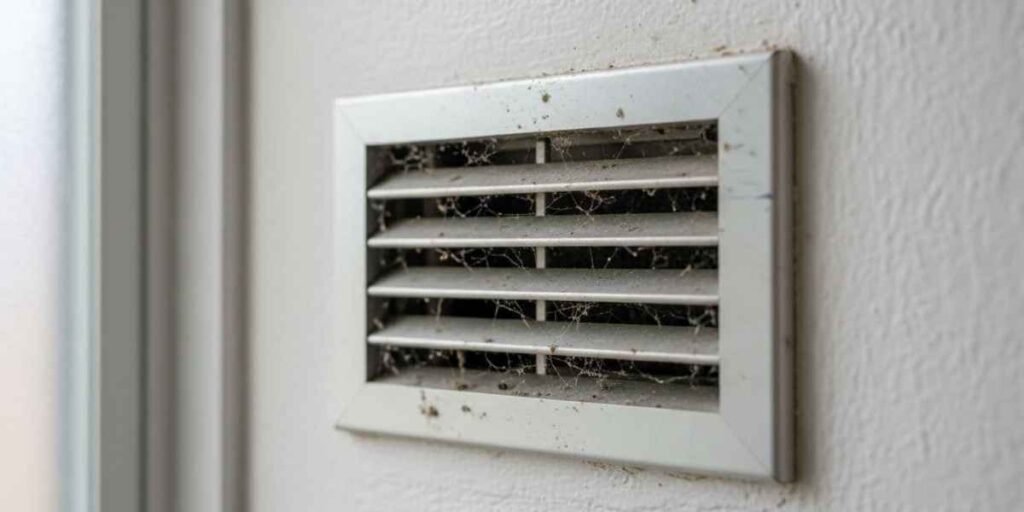
The early stage signs of black mold in air vents rarely look dramatic. At first, they can look like air vents black dust, ordinary dirt, or faint discoloration around a vent cover.
That’s why one sign alone doesn’t prove black mold, or the “toxic signs of black mold in air vents” people worry about online. A single dark speck might be nothing. A smell, moisture, repeat spotting, and poor airflow together tell a different story.
The 7 early stage signs homeowners should watch for
If you’re trying to catch the problem early, look for these signs around ceiling vents, AC vents, and return grilles.
A musty smell that keeps coming back
A damp, earthy smell near one vent is often the first clue. It may get stronger when the AC or heat kicks on, then fade once the system stops.
That odor can point to mold in air ducts, mold in an AC vent, or buildup deeper in the ductwork. If the smell returns after cleaning the room, don’t ignore it.
Dark spots, specks, or smudges on vent covers
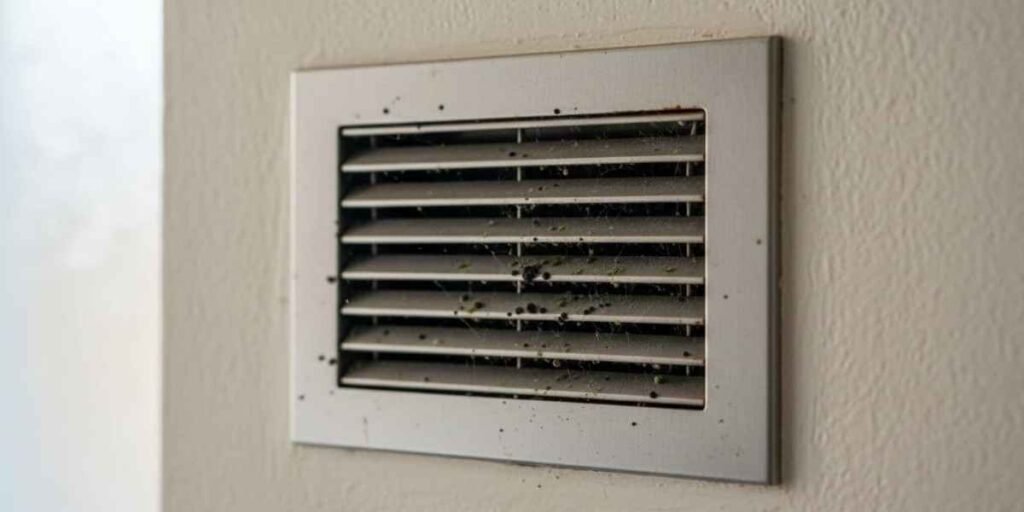
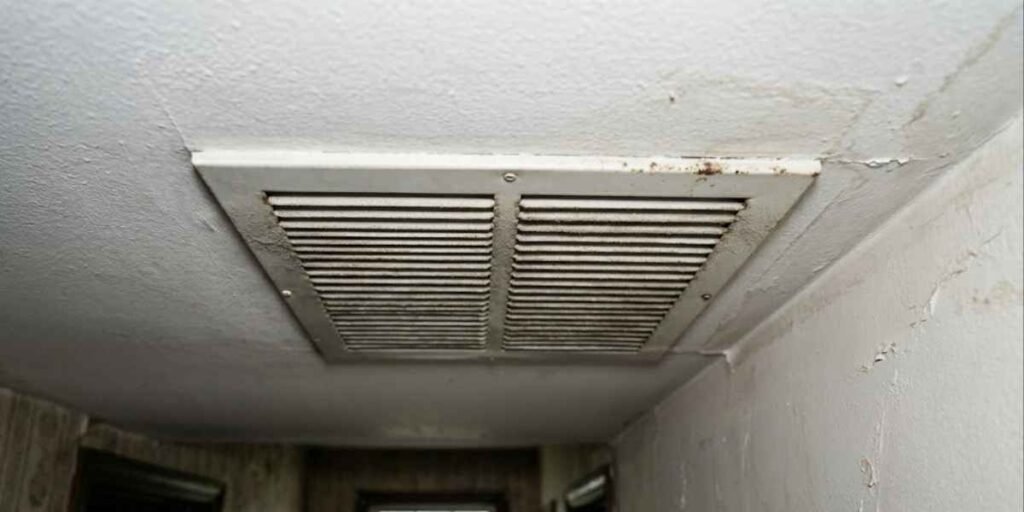
Mold on a vent cover often starts as tiny black, brown, or greenish marks. What looks like black mold on air vent covers, mold on vent grilles, or black mold on air conditioner vents may first look like pepper dust.
Some of those spots are plain dirt. The red flag is when the marks spread, look patchy, or show up with moisture.
Dust that looks clumpy, wet, or unusually dark
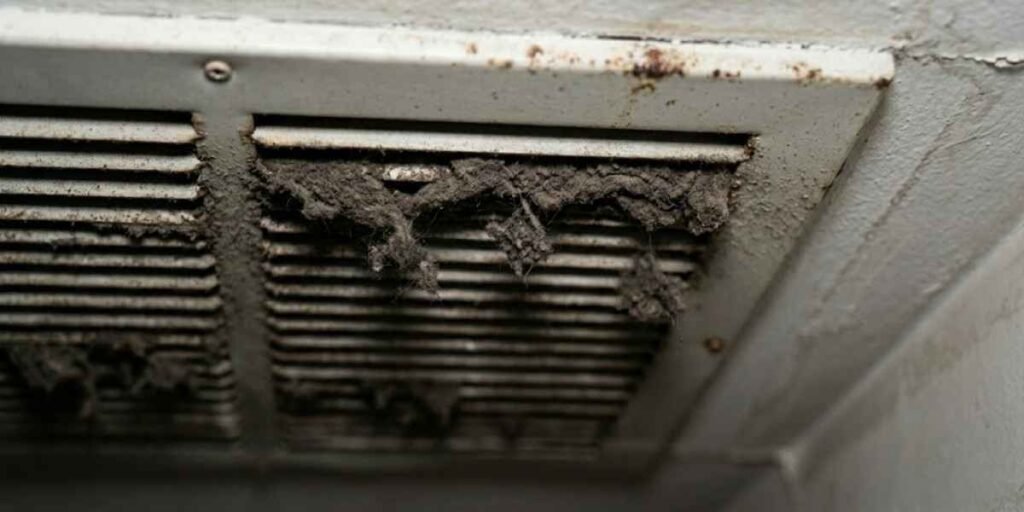
Normal dust is dry and light. Problem buildup often looks sticky, clumped, or darker than usual, and sometimes people notice brown flakes coming out of air vent openings.
If you keep wiping away dark debris and it comes back fast, you may be dealing with moldy vents, not simple household dust. Some homeowners describe this as black mold from an AC vent, even before they see clear spotting.
Visible moisture, condensation, or water stains around the vent
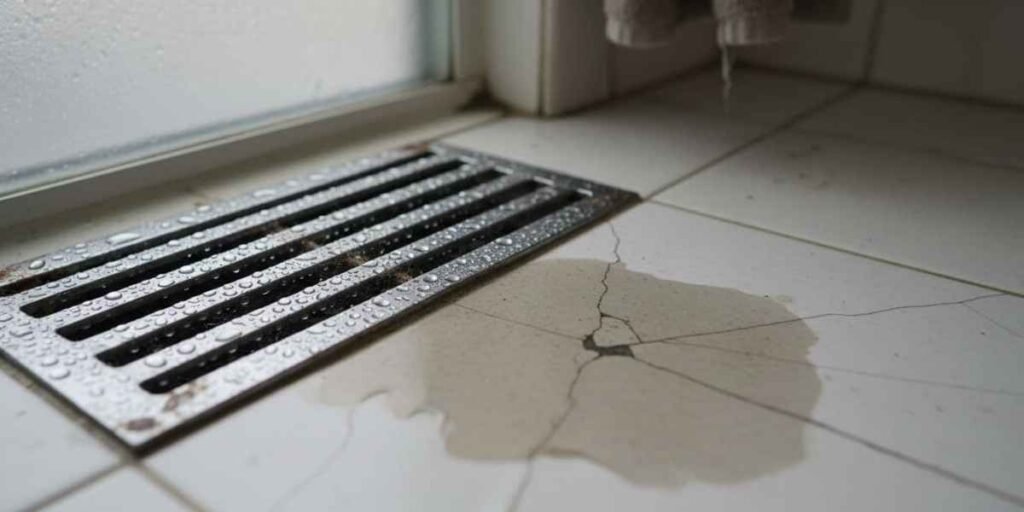
Mold needs moisture. So if a register looks damp, “sweats” in warm weather, or leaves a stain on nearby drywall, pay attention.
This is common with mold around ceiling vent openings and mold around air conditioning vents. A wet edge around the grille can turn into mold around AC vents if the moisture source isn’t fixed.
A worsening allergy or breathing reaction indoors
Sneezing, coughing, itchy eyes, headaches, or a stuffy nose that gets worse in one room can be a clue. Still, keep this in perspective, dust and other allergens can cause the same reaction.
Mold in air vents symptoms and mold in air ducts symptoms often overlap with dirty filters, pet dander, and old dust. The pattern matters more than one rough day indoors.
A drop in airflow or vents that feel blocked
If one room feels muggy, stale, or harder to cool, something may be blocking airflow. Sometimes that’s a dirty filter. Sometimes it’s heavy debris inside the system.
Weak airflow by itself doesn’t confirm black mold in air vents, but paired with odor or visible buildup, it’s worth checking. Mold in air vent areas can trap dust and make a vent feel partly choked off.
Mold keeps coming back after you clean the vent
This one is hard to argue with. If mold on vents returns soon after you wipe the cover, the real problem may be deeper inside.
Recurring black mold on vents, black mold around air vents, or black mold in AC vents often points to hidden moisture, not a dirty grille. Surface cleaning helps, but it doesn’t solve what keeps feeding the growth.
How to tell mold from normal dust or dirt
This is where a lot of homeowners get stuck. A dark mark doesn’t always mean black mold in vents.
Signs that point more toward mold than dust
Dust usually stays dry, loose, and easy to wipe away. Mold tends to look patchy, come back fast, smell musty, or show up where moisture lingers.
One dark spot means very little. A musty smell plus moisture plus repeat growth is a stronger warning sign.
If you want a closer comparison, this guide to signs of mold in air ducts helps connect the visual clues with what may be happening inside the system.
When a photo or visual check is not enough
Pictures of mold in air ducts can help you compare what you’re seeing. Still, a photo alone can’t confirm what’s growing on a vent.
If black mold in vents keeps returning, covers a larger area, or appears inside the duct instead of only on the cover, a professional inspection makes more sense than guessing.
What to do next if you spot a warning sign
Start simple. Then decide if the problem looks surface-level or deeper in the HVAC system.
Quick steps for small, surface-level buildup
Check the filter first. Then remove and clean the vent cover if it’s easy to reach, and look for nearby leaks, condensation, or damp drywall.
Very small buildup on the cover is not the same as mold deep inside the system. If all you see is dry dust, these DIY air duct cleaning instructions may be enough. Good filter changes and routine Air Duct Cleaning also help keep dust from piling up.
When to call a pro for a deeper look
Get help if the odor is strong, the growth keeps coming back, or the vent area stays damp. The same goes for black mold on AC vents, staining around several registers, or buildup you can see inside air vents.
If you have mold on vents in apartment units, tell building management early. The source may be tied to shared ductwork, leaks, or poor ventilation outside your unit.
Conclusion
One sign doesn’t automatically mean black mold. Several signs together, smell, moisture, repeat spotting, and weak airflow, deserve a closer look.
Catch it early and the fix is usually simpler. Ignore it, and what looked like dusty vent covers can turn into a bigger moisture problem inside the whole system.